How Solutions in Print Help Businesses Adapt to Changing Document Needs?
- Jan 29
- 4 min read
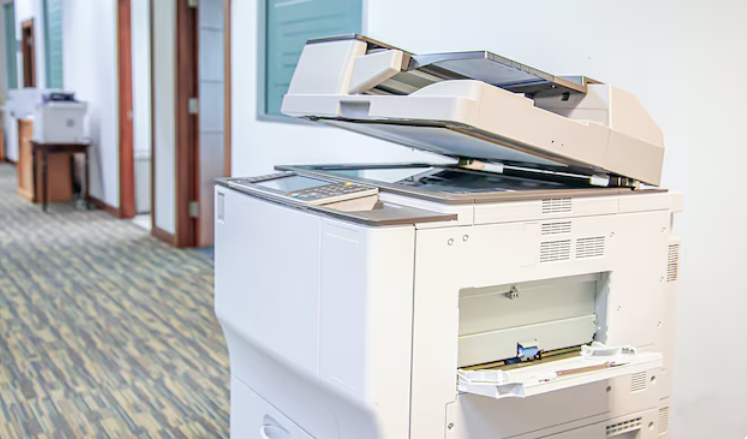
Business document requirements are no longer static. As organisations embrace digital transformation, hybrid work models, and evolving compliance standards, the way documents are created, shared, and stored continues to change. In this environment, flexible and forward-looking solutions in print play a vital role in helping businesses adapt without disrupting productivity or efficiency.
Rather than focusing on individual devices, modern print strategies take a holistic approach that aligns technology with real-world workflows. This adaptability is what enables organisations to stay responsive as document needs evolve.
The Changing Nature of Business Documents
Today’s businesses handle a wide range of document types, from digital files and cloud-based records to printed contracts and reports. While many processes have moved online, printing remains essential for legal documentation, internal workflows, and client-facing materials.
As document formats and volumes fluctuate, businesses need print environments that can scale up or down easily. Solutions in print provide this flexibility by supporting multiple document types and usage patterns within a single, cohesive system.
Supporting Hybrid and Flexible Work Models
The rise of hybrid work has reshaped how documents are accessed and shared. Employees may work from the office, remotely, or across multiple locations, yet they still require reliable access to printing and scanning functions.
Modern solutions in print support this shift by integrating cloud connectivity and secure access. Documents can be printed, scanned, and shared seamlessly regardless of location, ensuring continuity in workflows and reducing friction for distributed teams.
Improving Efficiency Through Workflow Integration
Adaptability is not just about access; it is about efficiency. As document processes become more complex, disconnected systems can slow operations and increase errors. Solutions in print integrate printing, scanning, and document management into unified workflows.
By aligning print functions with digital systems, businesses can reduce manual handling and duplication. This integration allows teams to move documents smoothly between physical and digital formats, supporting faster decision-making and improved accuracy.
Managing Fluctuating Print Volumes
Print volumes rarely remain consistent. Seasonal demand, project-based work, or organisational growth can cause sudden spikes or drops in usage. Without a flexible approach, businesses risk overinvesting in equipment or struggling to meet demand.
Solutions in print are designed to adapt to these fluctuations. They allow organisations to adjust capacity and resource allocation as needed, ensuring consistent performance without unnecessary expense. This adaptability helps maintain cost control while supporting operational needs.
Enhancing Document Security and Compliance
As document handling evolves, so do security requirements. Sensitive information is often printed, scanned, or copied as part of everyday operations. Solutions in print incorporate security measures that protect data across its entire lifecycle.
Access controls, secure print release, and audit trails help businesses meet compliance obligations while maintaining flexibility. As regulations change, adaptable print solutions ensure that security practices remain aligned without requiring constant system overhauls.
Supporting Sustainability Goals
Changing document needs also include a growing focus on sustainability. Businesses are increasingly conscious of their environmental impact and seek ways to reduce waste without sacrificing efficiency.
Solutions in print support sustainable practices by optimising usage, reducing unnecessary printing, and enabling more efficient device management. Over time, these improvements help organisations balance environmental responsibility with operational performance.
Enabling Consistent User Experiences
As organisations grow or restructure, maintaining consistency becomes a challenge. Different departments may adopt varying processes, leading to confusion and inefficiencies. Solutions in print create a standardised user experience across devices and locations.
This consistency simplifies training and reduces support requests. Employees can move between teams or offices without needing to relearn printing processes, improving overall productivity.
Adapting to Technological Advancements
Technology continues to evolve, and print environments must keep pace. Solutions in print are designed with future adaptability in mind, allowing businesses to incorporate new features, software updates, and integrations over time.
This forward compatibility ensures that print infrastructure remains relevant as digital tools and workflows change. Businesses avoid frequent replacements and instead benefit from gradual, manageable upgrades.
Aligning Print Strategy With Business Growth
Growth often brings new document demands, from increased client communication to expanded compliance requirements. Solutions in print provide a scalable foundation that supports expansion without compromising efficiency or control.
By planning for growth, businesses can avoid reactive decisions and ensure that print capabilities align with long-term strategy. This alignment helps maintain operational stability during periods of change.
The Role of Expert Guidance
The effectiveness of solutions in print depends on thoughtful design and implementation. Working with an experienced provider such as Munster Business Equipment ensures that print strategies are tailored to specific business needs rather than generic assumptions.
Expert guidance helps organisations identify opportunities for improvement and implement solutions that evolve alongside their document requirements.
Building Resilience Through Adaptability
In a business landscape defined by change, adaptability is a competitive advantage. Solutions in print enable organisations to respond to shifting document needs without disruption, supporting efficiency, security, and sustainability.
By viewing printing as part of a broader document strategy rather than a standalone function, businesses can build resilient workflows that support both current operations and future growth.


Comments